PhD student’s lifelong passion for music connects continents

For a few days every year in March, most of the country celebrates the luck of the Irish. All year round, PhD student Nicholas Booker celebrates culture connected to Cornwall, just across the Celtic Sea from Ireland.
When looking for a specific community to study, Booker was searching for something unique. He landed on Cornwall, an area of Southwest Britain whose music did not yet have much scholarship behind it.
“I was looking for a community where there wasn't a lot of scholarship about them and that had music that I really enjoyed and was interested in,” Booker said. “It turned out Cornwall was the place.”
Specifically, Booker’s research investigates the connection of Cornish music to the Great Lakes region of the United States. Even a Columbus-area township owes its namesake to Cornish settlers. Truro Township in Franklin County shares its name with a city in Cornwall, Britain, around 230 miles southwest of London.
“I am hoping to develop a better understanding of the history and the heritage involved in this transatlantic musical interaction that people have been maintaining between the Great Lakes region here in North America and Cornwall,” he said. “I also want to think about ways forward for the community and how we can learn more about musical communities in general, thinking about this Cornish – North American interaction.”
One of the main themes of Booker’s research is emigration. Cornwall is considered a Celtic community, and holds a close relationship to Wales, Scotland and Ireland.
“My research is very much about an immigrant experience and the way it formed the basis for the musical tradition that we have today that people are maintaining,” he said. “How are, and how can we celebrate the immigrant experience in North America and celebrate the culture that immigrants bring to our culture here?”
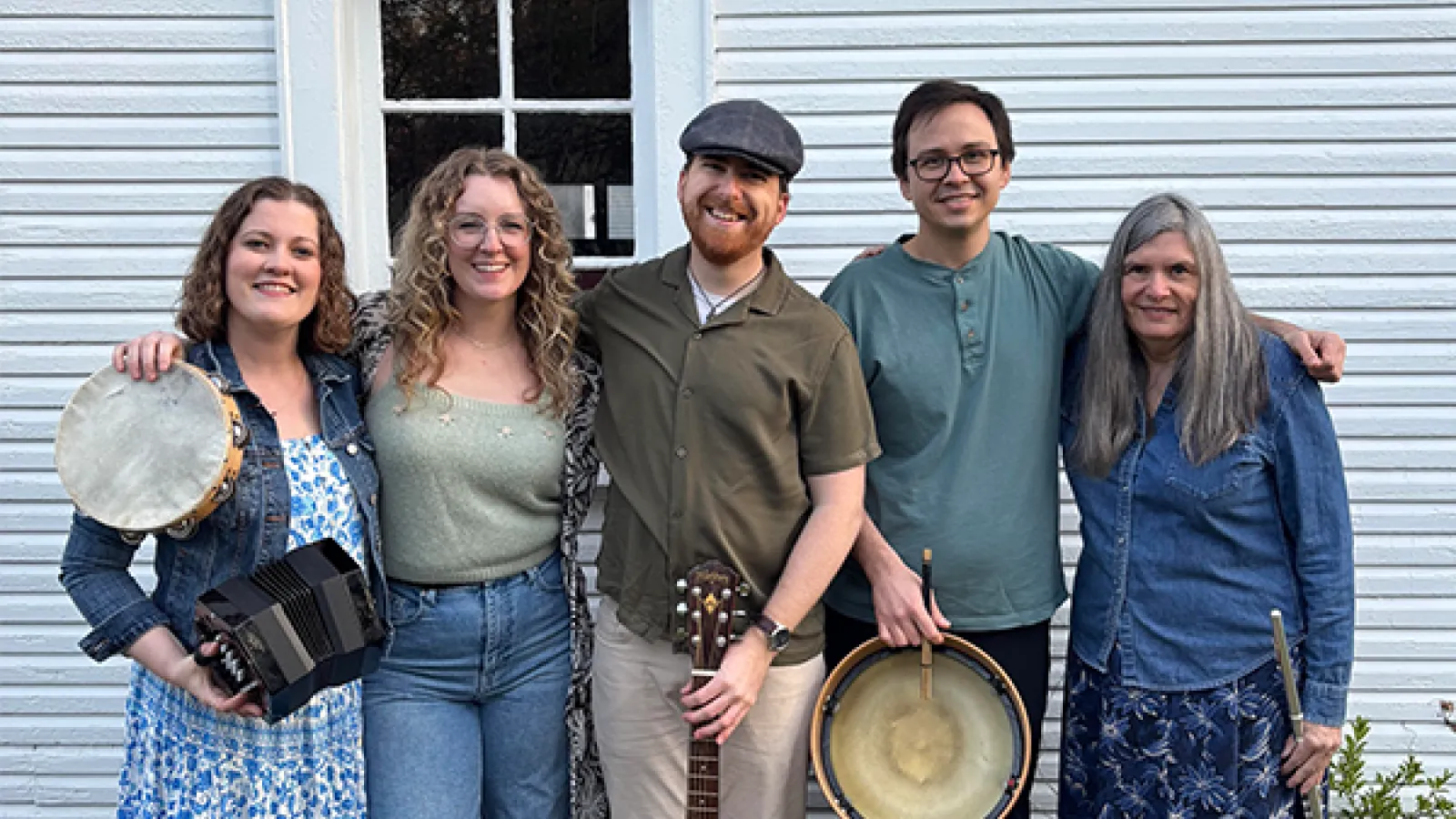
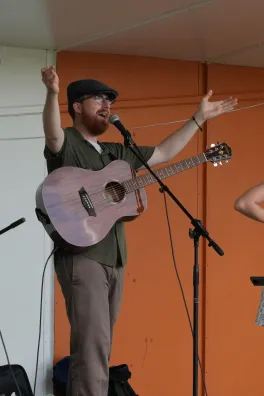
One way that Booker continues to celebrate and immerse himself in the Cornish culture is by performing Cornish and Celtic music. His folk group, “All Those Who Wander,” has performed throughout the Great Lakes region, from Wisconsin to Toronto.
Through those performances and travels, Booker has learned how local communities respond to the Cornish folk music and how he can continue to engage them. He has seen first-hand the enthusiasm people feel when they immerse themselves in live performances, especially when they have a personal connection to Cornwall or similar areas.
“On the face of it, you think folk music or a folk concert, and it isn’t perhaps the most exciting event that you could go to,” he said. “But people turn out and they're really interested and they'll get up and dance and they'll sing along and even learn some of the language. They’re interested in the connections to the other Celtic communities. I've learned principally that there are ways to frame the work that really get people engaged.”
As Booker explored places to pursue his doctoral studies, he decided to leave his home state of Colorado to come to Ohio State because of the opportunities it provided.
“I knew going in that there would be lots of opportunities for interdisciplinary work,” he said. “The School of Music has been really good at investing in music researchers like myself. They're great at leaning into those interdisciplinary connections.”
Booker mentioned Professor Ryan Skinner as someone who has been a specific influence on his time at Ohio State. Skinner is a musical anthropologist who studies the expressive cultures and social worlds of contemporary Africa and its European diaspora.
“He's been urging me to seek out methodologies from other disciplines and take classes in other departments and utilize all the resources we have on campus in Columbus,” Booker said.
As both a PhD student in musicology and ethnomusicology and a graduate research associate with the Center for Folklore Studies and the Humanities Institute, Booker encourages those pursuing a degree in the humanities to lean into their creativity, think broadly about their specific area of study and be adaptable
Booker intended to complete his master’s degree at the University of Northern Colorado and teach after that, but he found a new interest when he tried his hand at music research. “That's how I caught the bug for research and that's what brought me to Ohio State,” Booker said.
“I had no lack of opportunities when I was out of academia, and I expect that's going to be fairly similar once I finish my PhD here.”