News

Ten Arts and Sciences experts take stage at TEDxOhioStateUniversity event
Ten experts from the College of Arts and Sciences are featured speakers in the 2022 TEDxOhioStateUniversity event, "Bloom."

Arts and Sciences co-investigators support project to create quantum bits with rare-earth ions
Quantum information science (QIS) research isn’t new on Ohio State’s campus. However, a recent Catalyst Grant through the President's Research Excellence program to develop novel quantum bits for…
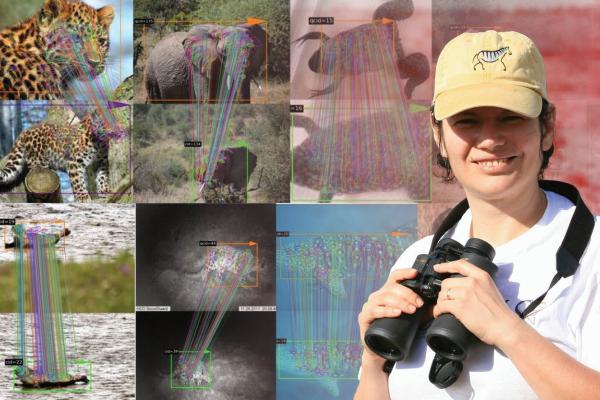
Using AI, machine learning to confront biodiversity loss
The world is in the midst of the next mass extinction. By using artificial intelligence to scan thousands of photos of animals, Tanya Berger-Wolf, a professor of evolution, ecology and organismal…

Beverly Moss continues to make an impact with community writing
The immense dedication Beverly Moss has expressed for community writing over more than three decades has earned her the 2021 Distinguished Engaged Scholar in Community Writing Award from the…

Ring in the New Year with Arts and Sciences faculty's books from 2021
Is one of your New Year's resolutions to read more books? We put together a selection written in 2021 by faculty in the College of Arts and Sciences.

ASC in review: 2021's top stories
At the turn of the new year, we take a step back to evaluate the stories we told about the College of Arts and Sciences community in 2021. We are proud to present some of our top stories of the last…

Two Arts and Sciences faculty named to Highly Cited Researchers 2021 List
Two faculty members in the Ohio State College of Arts and Sciences have been named on the annual Highly Cited Researchers 2021 list from Clarivate. The list identifies researchers who demonstrated…
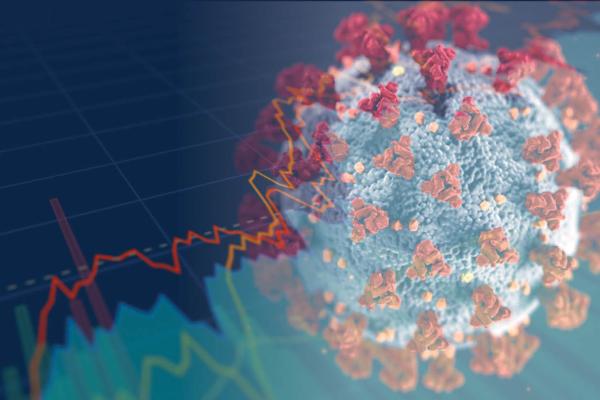
NIH awards economics researchers $2.3M to study health, economic impacts of COVID-19
Researchers in the Department of Economics were awarded a $2.3 million grant from the National Institutes of Health to develop a model that defines and quantifies coronavirus-related variables in an…

NSF awards Schultz funding for advanced chemical microscope
Ohio State is installing new imaging technology thanks to a $339,000 award from the National Science Foundation Major Research Instrumentation Program. The instrument supports the research of…